After the Black Gold is launched!
Via Francigena Arts Trail
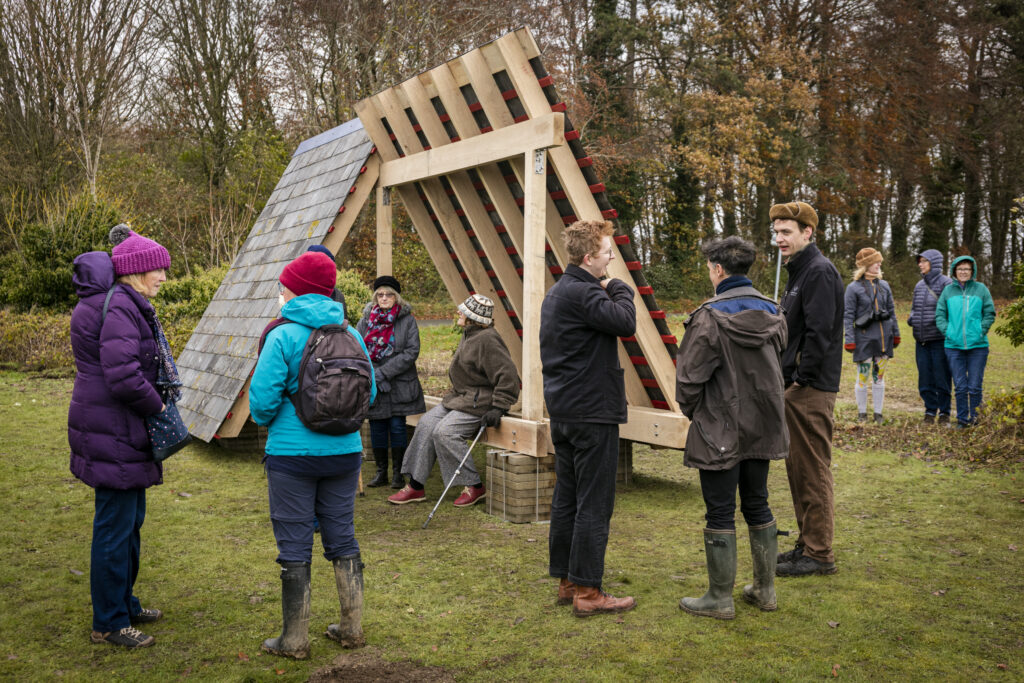
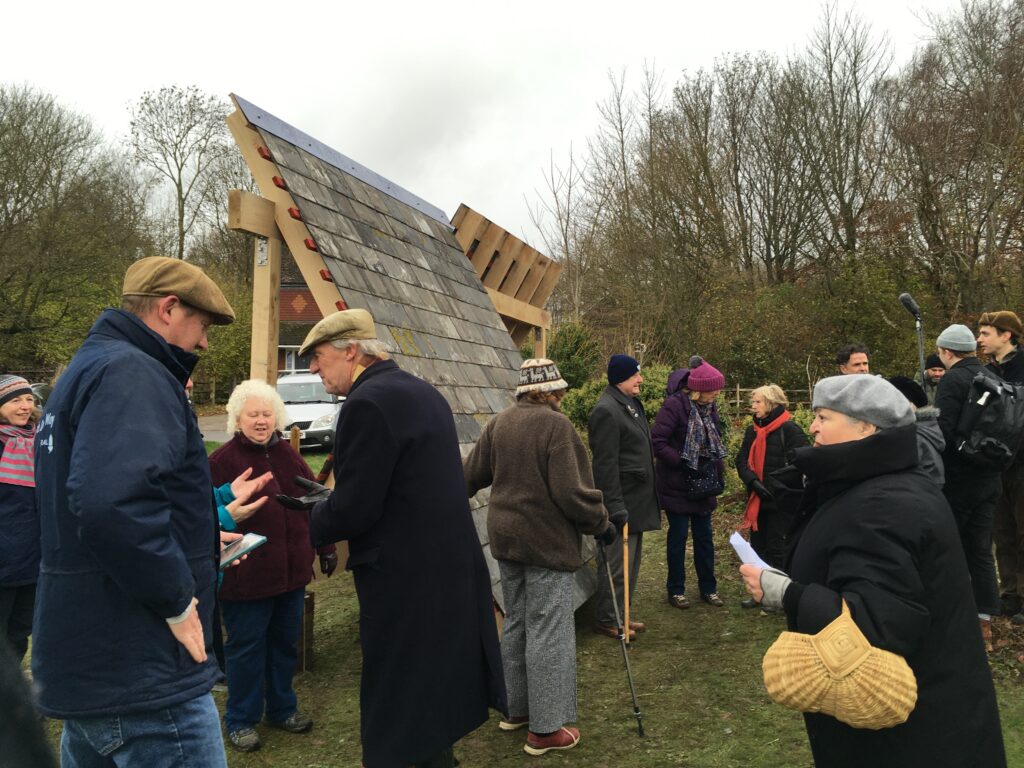
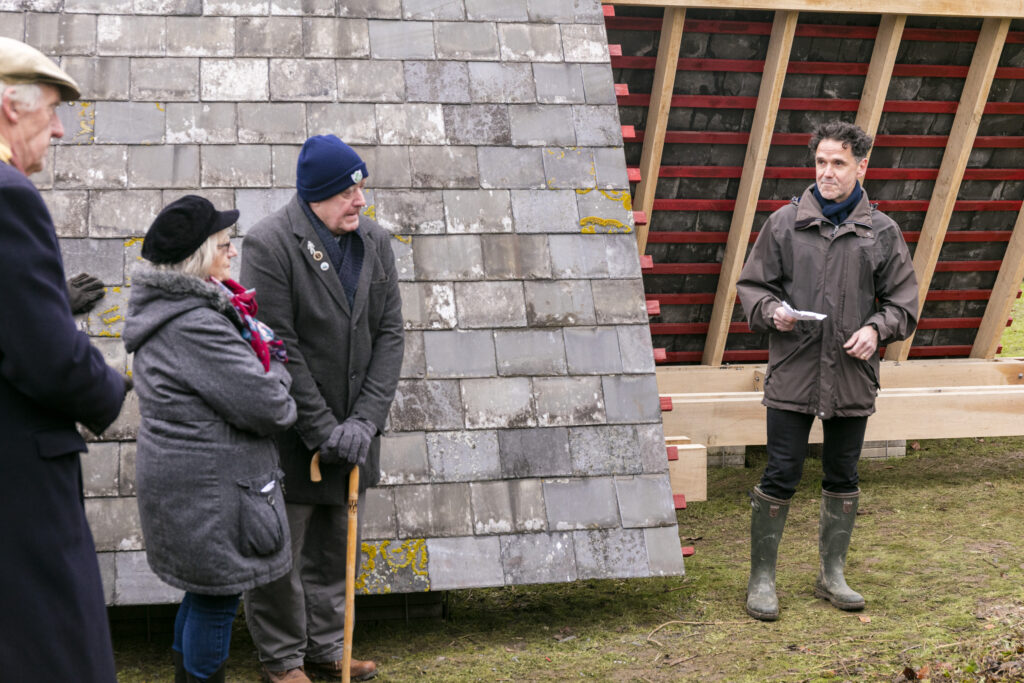
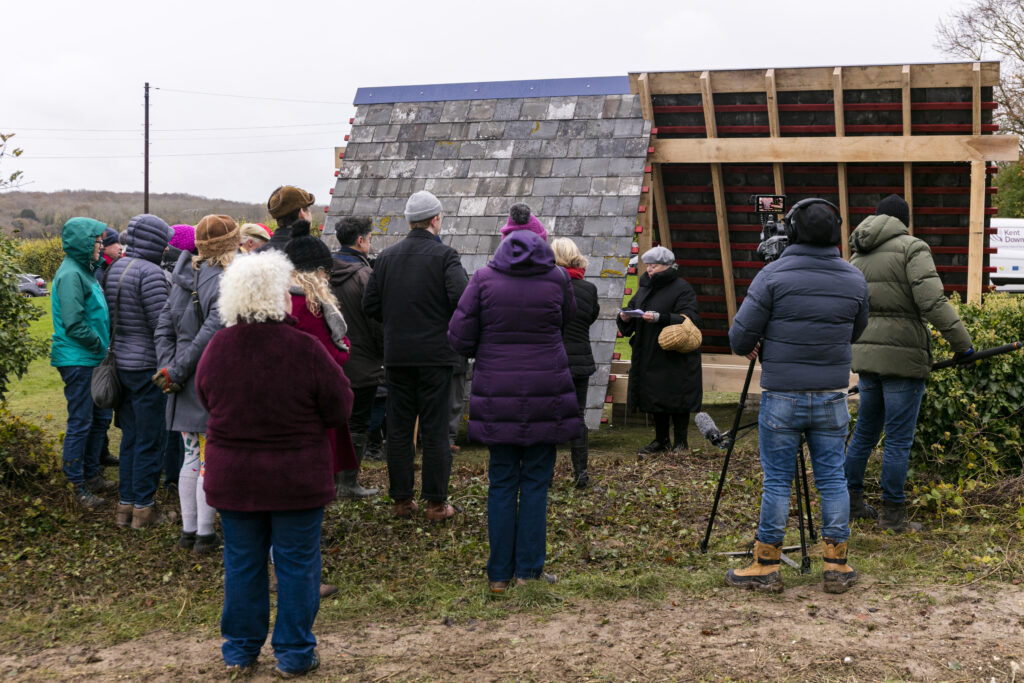
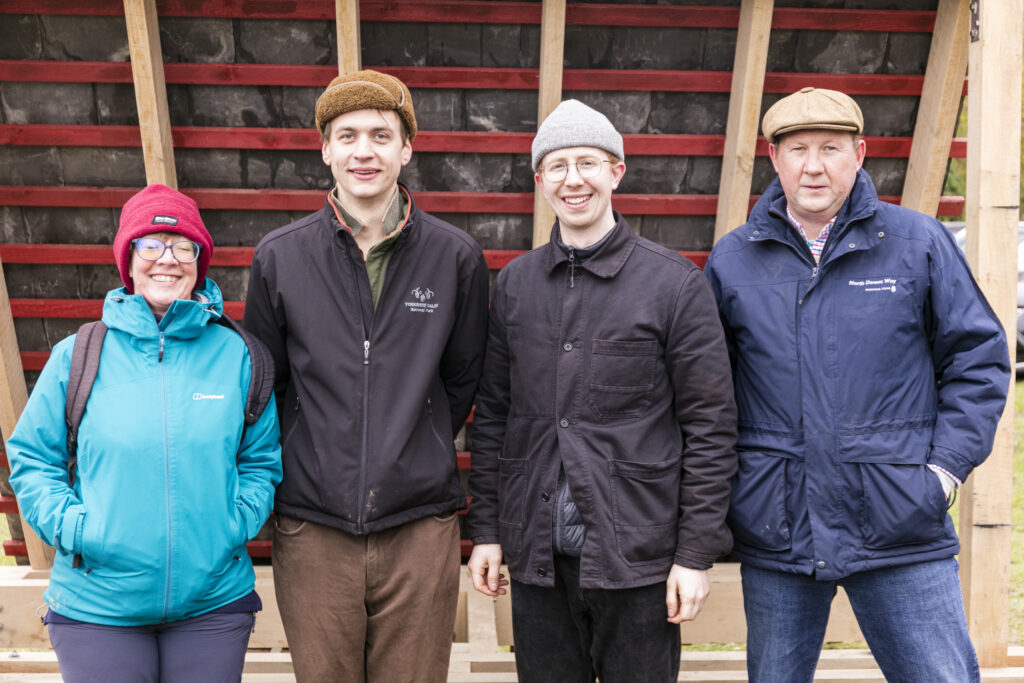
At 11.am on December 7th 2021 guests gathered to launch After the Black Gold by Channel at Woolage Village.
The Via Francigena Art Trail is an exciting and important project for Dover Arts Development and there are many to thank: Catherine Bradley, European and Project Development Manager at Kent downs AONB, & Peter Morris, the North Downs Way Manager, for their trust in bringing DAD on board as their project managers for this public art project. The magnificent jury who helped decide which artists would be chosen to develop their work, Canterbury City Council for their support and for granting the artists free pre-planning advice, Charlie Lewis and all the Kent Downs team for their support. John Plumptre for the land owner’s permission and the help of Martin Allen, the Womanswold Parish Council for their continuing interest in the project and help with the selection of ‘After the Black Gold’ and Channel artists Ryan Cook and Sam Little for being such enthused and intelligent artists to work with.
The speeches started with Peter Morris:
‘We are so delighted to see the launch of the very first North Downs Way Arts Trail installation in Kent. We chose Sam and Ryan’s concept because it incorporates the coal mining history of Woolage Village, the pilgrimage heritage of the Via Francigena route, where this piece sits, and acts as a wonderful place to sit, relax and enjoy the views. It’s been an absolute pleasure working with Joanna and the team at Dover Arts Development who have been a wonderful support for us and the artists. Huge thanks to them, our district and EU funders and to the local community who have been so helpful and enthusiastic in developing and launching this installation with us. We hope you like it as much as we do!’
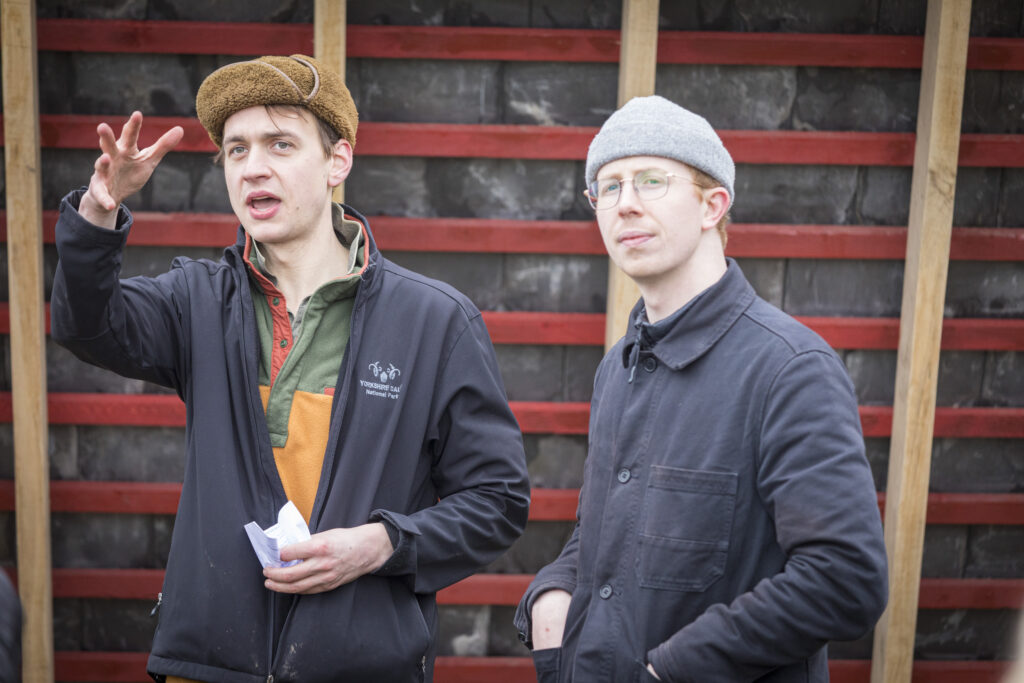
Ryan Cook and Sam Little introduced After the Black Gold.
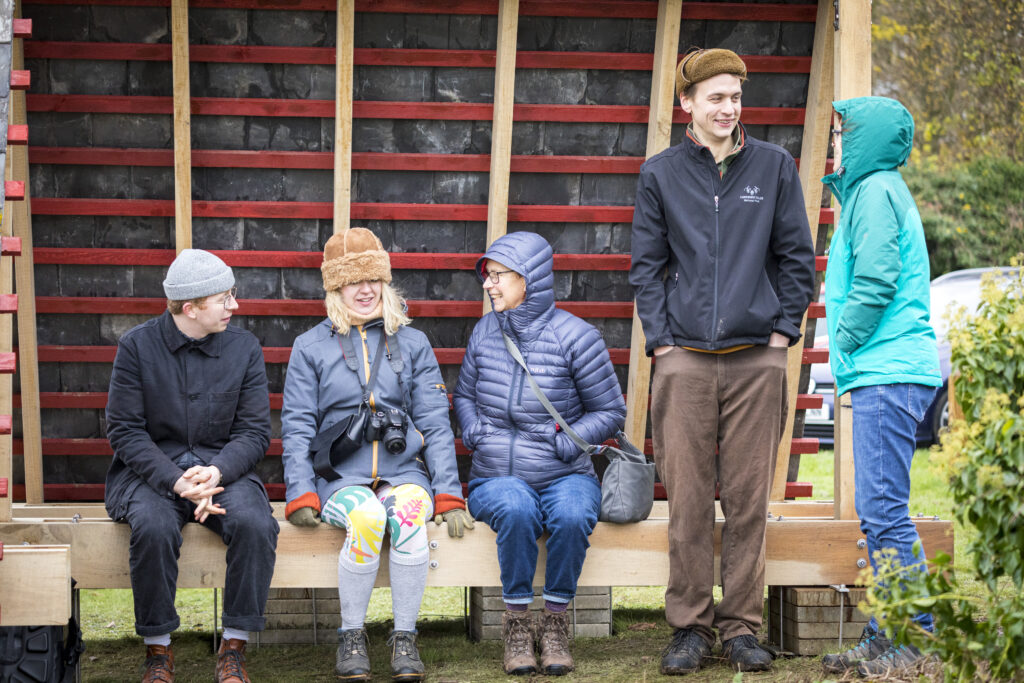
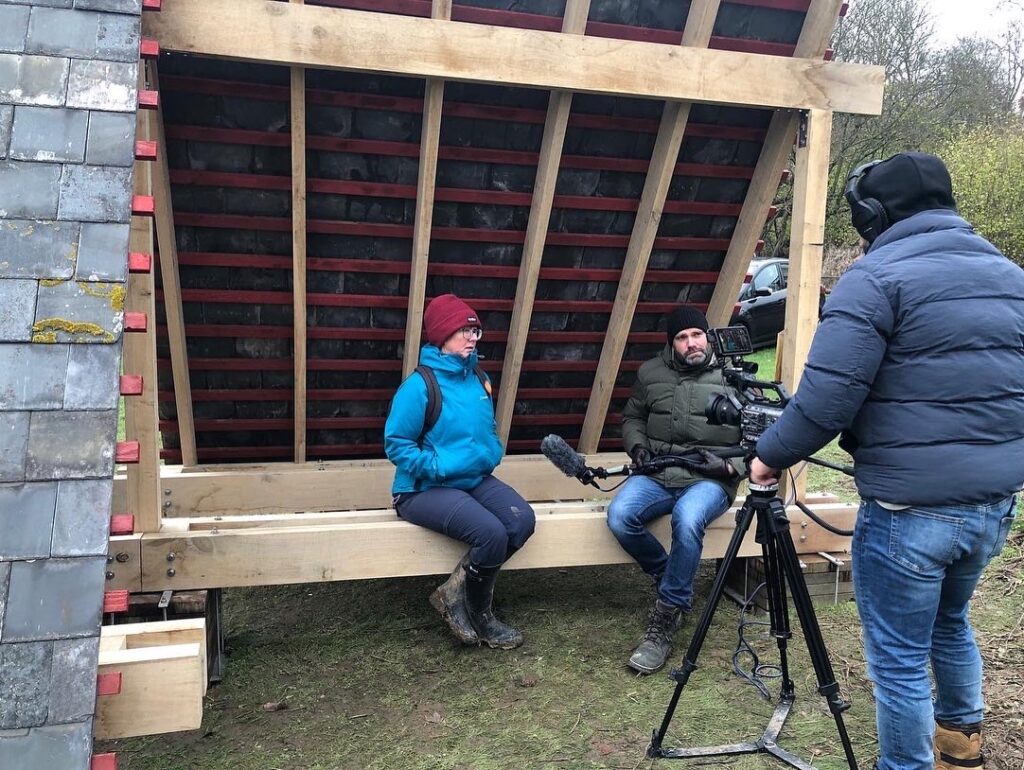
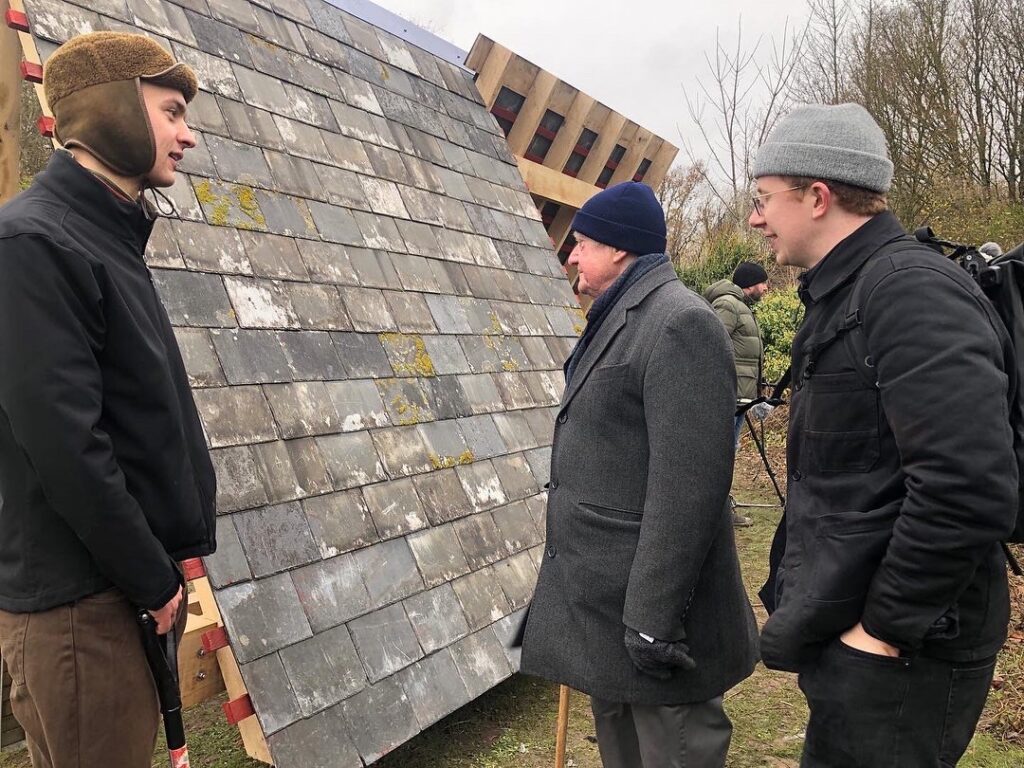
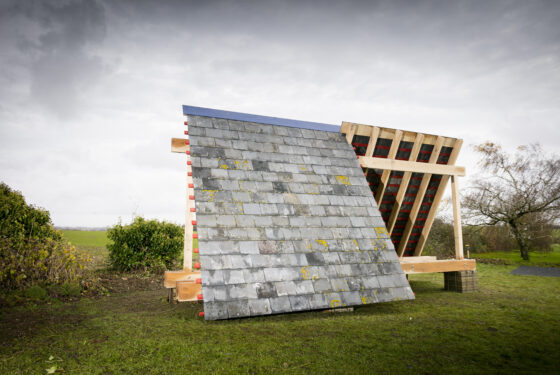
‘After the Black Gold’, is purposefully simple. It takes the form of a timber structure supporting two lean-to roof pitches – one looking out to the landscape and Snowdown colliery beyond, one looking in to Woolage village. The structure is oriented on an axis towards the old colliery to draw a connection to the site’s history and to benefit from the existing view onto it from the recreation ground. The structure invites walkers on the North Downs Way to sit, rest and consider the layers of human intervention in this landscape. The form and materiality of the structure take cues from the shelters constructed by workers at the entrance to the colliery.
Peter Sutcliffe:
On Behalf of Womenswold Parish Council, I would like to thank Dover Arts Development & The Via Francigena Project for choosing Woolage Village to site one of it’s Art’s Projects here. I think the Womenswold Parish Villages have always felt privileged to have the North Downs Way passing through it. My family & lots of people in our Parish all appreciate a good walk!
It has only been in recent years that I have found out that The North Downs Way is part of the ancient route known as the Via Francigena from Canterbury to Rome which is more than a thousand years old & was used by the Archbishop Sigeric in 990 AD. When I see walkers passing by our village en route to Dover or even Rome maybe, I often wonder if they puzzle on why this little collection of houses are here.
I hope that what Sam & Ryan have achieved here with this work gives the walker a chance to rest & enjoy the views & also appreciate why this small village exists. Most people are always surprised to find out that there was a Mining Industry here & that this village was built to accommodate the first miners coming to East Kent. The Collieries have long gone now but I hope this work enables people to understand it’s contribution & place in the landscape & why this little village is here & how it has become part of the story of this thousand year old path.
Thank You Sam & Ryan, Joanna, Dover Arts, Womenswold Parish Council & John Plumptre
Peter’s Aunt and uncle, Philip and Kay Sutcliffe, from the Mining Heritage centre in Aylesham also attended.
Joanna Jones from DAD then asked :
What does it mean when an artwork springs up?
What happens to someone out walking when they come across something that doesn’t quite fit into any direction they normally think in?
Is it a seat? Is it a shelter? Does it protect me from rain? Or sun?
How do I order this experience into my existence?
She continued : It is the provocation of a work of art and it speaks not in a simplistic way but to the complexity of our human being. It respects us and invites our connection.
The introduction of ‘After the Black Gold’ along the North Downs way on the recreation ground here in Woolage Village is a wonderful thing to have been part of bringing about. It is a place both to rest and take in the view across to the former Snowdown Colliery on the one side and Woolage Village on the other. Through connection with the art object there is the possibility in reflection to start to ask questions as to why this object is sited here in this village, and why it uses the materials it does.
The Via Francigena Art Trail is an important project for DAD and that importance lies in the quality of the art works themselves coupled with the way these art objects are to be discovered and by whom. They are not in a sculpture park or a museum but on a national trail and it will be ramblers, dog walkers, local residents, young and older, as well as the contemporary pilgrim who will have the opportunity to connect with them and the stories they can reveal.
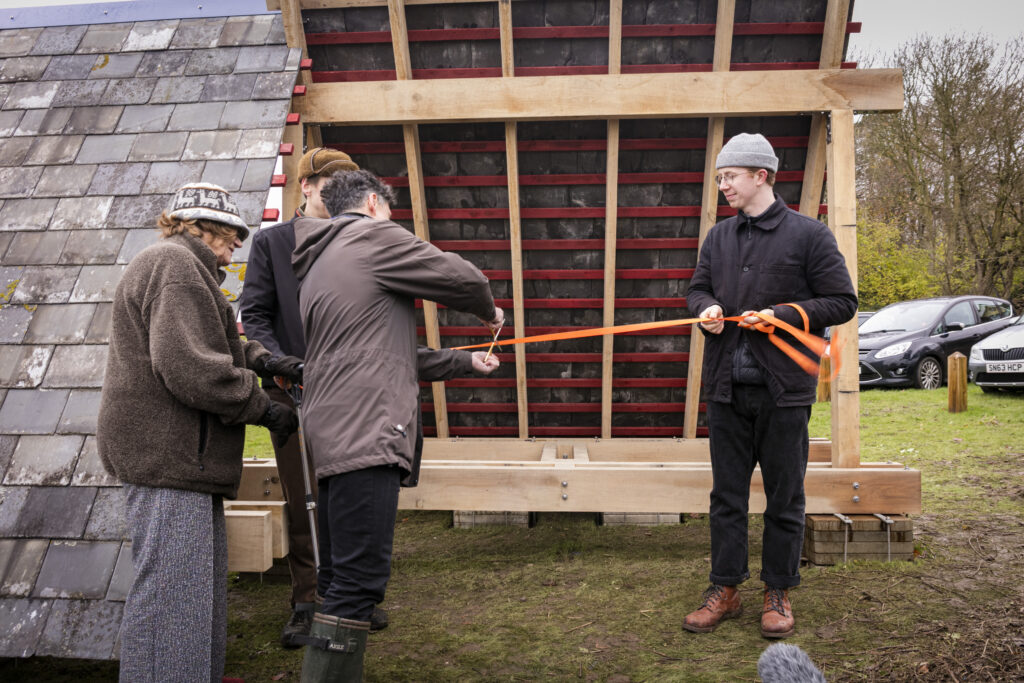
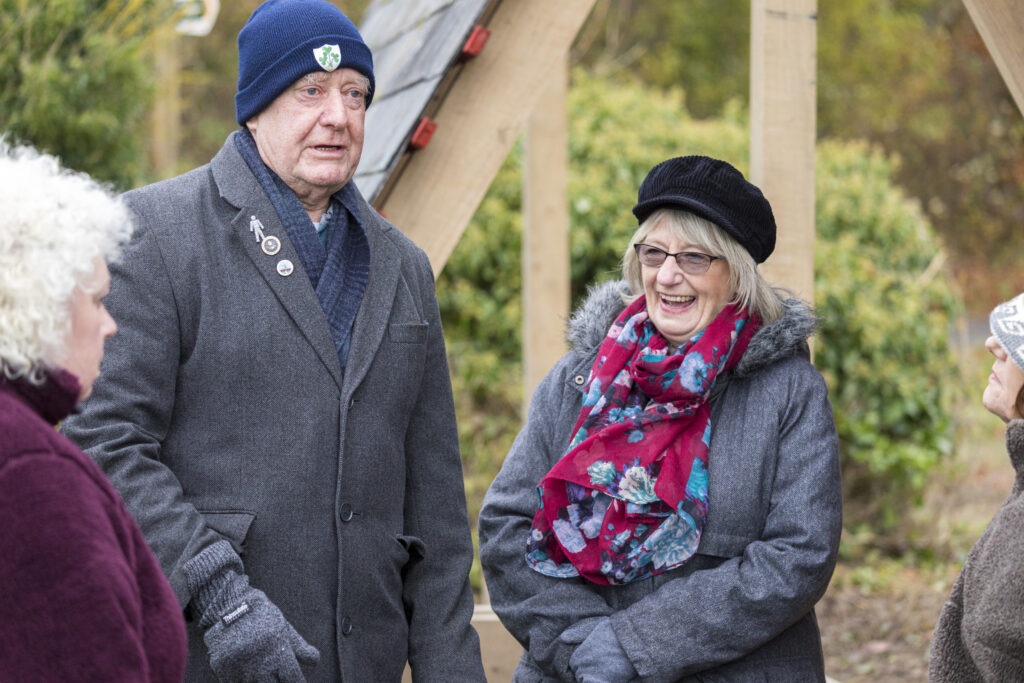
Sam Little and Ryan Cook held a ribbon that Peter Sutcliffe, aided by Val McWilliams from Womanswold Parish Council, cut and After the Black Gold was launched. Maggie McKenzie and Janet Perrins from the Parish Council were also present.
Everyone took a commemorative button home with them.